Espresso coffee has a pretty cool history that takes us back to 19th century Italy. It all started in cafes where people wanted a quick pick-me-up. As coffee lovers gathered, they began experimenting with brewing methods. They wanted a strong, rich flavor that could give them that jolt of energy in just a sip. This quest led to the birth of espresso.
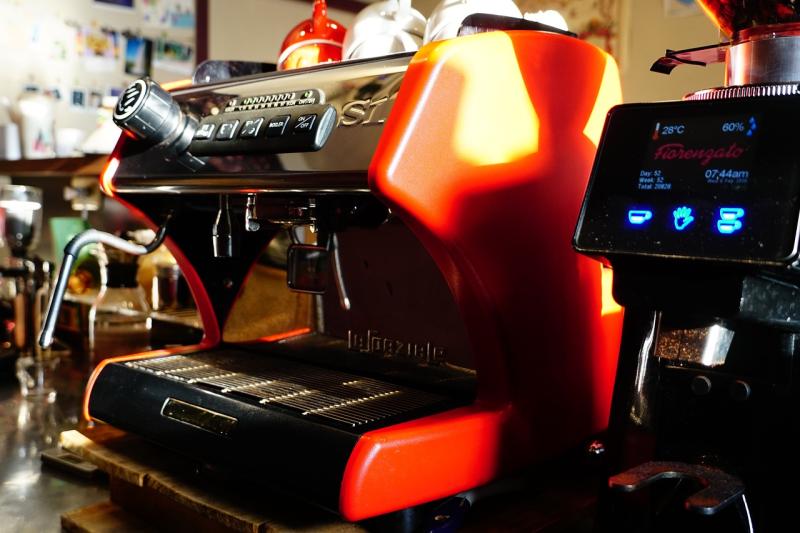
In 1884, a guy named Angelo Moriondo patented a machine that used steam to push hot water through coffee grounds. It wasn’t exactly what we know as espresso today, but it was a big step in the right direction. The machine was bulky and designed for commercial use. Cafes loved it because it made a strong brew, which was perfect for those busy mornings.
Fast forward to 1901, when Luigi Bezzera improved Moriondo’s design. His machine was smaller and quicker, allowing baristas to make multiple cups in no time. He even included a nifty feature that let them brew coffee on demand. Now, people could enjoy a fresh shot of espresso without waiting forever. This innovation set the stage for what espresso would become.
By the 1920s, espresso had really taken off in Italy and beyond. Cafes started popping up everywhere, and espresso machines became fancier. People loved the social aspect of sipping espresso with friends. It became more than just coffee; it became a part of the culture. Those little cups of joy brought people together, making the espresso experience unforgettable.
How Espresso Changed Our Mornings
Espresso has definitely turned our mornings upside down. Imagine waking up groggy and stumbling to the kitchen, dreading that first cup of coffee. Now, with a shot of espresso, your morning routine takes a delightful twist. Just a small amount packs a big punch of flavor and energy, transforming even the most sleep-deprived soul into a functioning human.
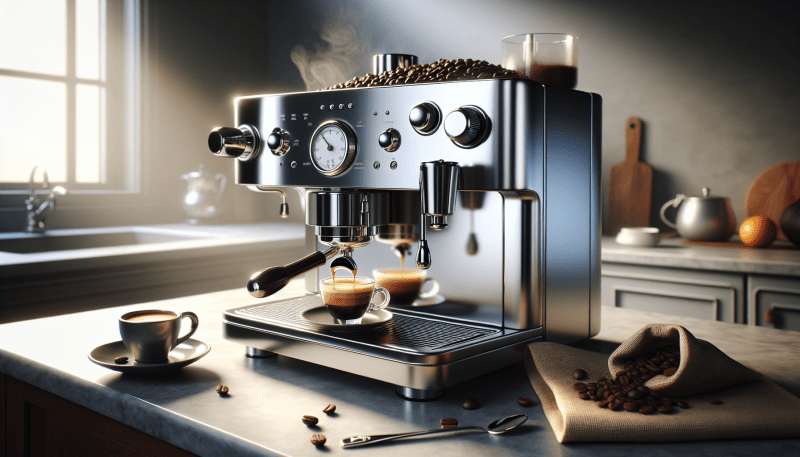
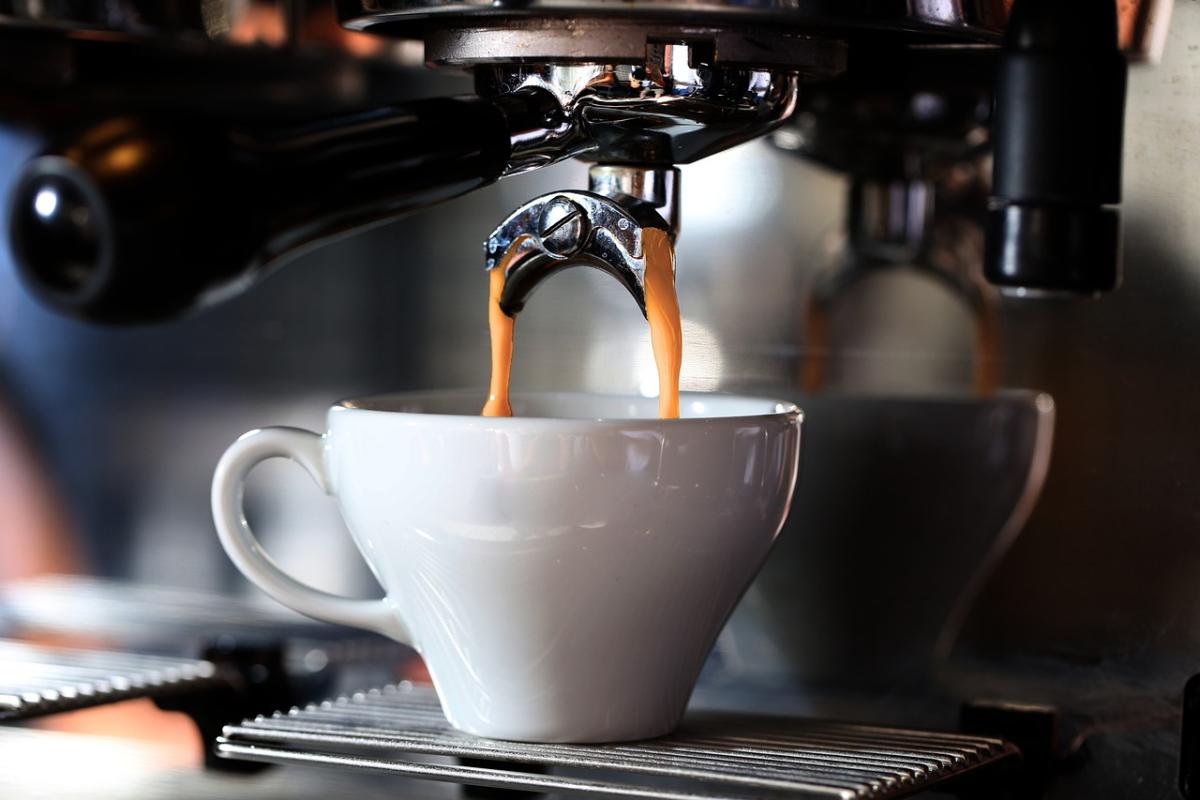
Gone are the days of sipping on a watered-down cup of coffee that takes ages to brew. With an espresso machine, you can whip up a shot in hardly any time at all. That rich aroma fills the air, and suddenly, you’re ready to tackle the day. It's like a mini celebration in a cup, bringing joy and motivation right from the start.
And let’s not forget about the versatile nature of espresso. You can enjoy it straight for that intense flavor or mix it up to create lattes, cappuccinos, and macchiatos. The options are endless, which means every morning can feel a little different and special. Plus, the caffeine kick from espresso is often faster and stronger, giving you the boost you need to face whatever comes your way.
Espresso even brings people together. Whether you're heading to a cozy café with friends or enjoying a quiet moment at home, that little shot of espresso can spark conversations and smiles. It adds a touch of sophistication to the daily grind and makes mornings feel a little more exciting.
Brewing Techniques of the Early Days
Back in the early days, brewing coffee was a bit of a science experiment! People had to get creative with the tools they had, and it led to some interesting techniques. They didn’t have fancy espresso machines like we do today, so they had to make do with what was available.
One popular method was boiling coffee grounds with water in a pot. It’s simple: just throw in your grounds, bring the water to a boil, and then strain it. While the flavor might not have been as refined as espresso, it produced a strong cup that packed a punch. Plus, it was quick and straightforward—perfect for busy mornings!
Then there was the use of the percolator. This gadget pushed boiling water up a tube and over the coffee grounds, creating a continuous brewing cycle. It was a game-changer, giving coffee lovers a bolder taste compared to the basic boiling method. Although it took a bit of trial and error to perfect, many swore by the rich flavor it produced.
Of course, let’s not forget about the French Press. This classic method still has fans today! By steeping coffee grounds in hot water and then pressing them down with a metal or plastic filter, drinkers could get a full-bodied cup. It embraced the coffee’s natural oils, delivering a unique taste that espresso enthusiasts appreciate.
These early brewing techniques were all about experimentation and personal taste. People figured out what worked for them, leading to the rich coffee culture we enjoy now. Each method has its charm, and you might even want to try them out for yourself to see how they compare to a modern espresso!
Espresso Today and Its Global Impact
Espresso isn't just a drink; it's a worldwide vibe. From cozy cafes in Italy to trendy spots in New York, espresso has become a staple for coffee lovers everywhere. This beloved brew ignites conversation, fuels productivity, and ignites creativity. It's amazing how something so small in a tiny cup can pack such a punch.
Across the globe, espresso culture thrives. In Italy, it's all about the ritual of quickly sipping your coffee while standing at the bar. In the United States, people often order elaborate espresso drinks topped with frothy milk and sprinkles. You’ll even find specialty shops focusing solely on perfecting espresso shots. Each region has its twist, but the love for that rich, bold flavor stays strong.
Let's not forget about the impact of espresso on the economy. Coffee shops create local jobs and spark community connections. Whether it’s a friendly barista or a creative atmosphere, these shops offer a space to connect. Plus, the demand for quality beans has led to a boom in sustainable coffee farming practices worldwide while ensuring farmers get a fair deal.
Espresso has become a cultural icon, showing up in movies, music, and art. Its influence is everywhere, reminding us of the simple pleasures in life. Each sip tells a story and connects us all, no matter where we are on this big, beautiful planet.